

The Silhouette Shift Happening Right Now
Wide-leg trousers have dominated fashion conversations for the better part of four years. They flooded runways, filled street style galleries, and became the default answer to “what should I wear from the waist down.” But Lemaire’s straight-leg trouser – a cleaner, quieter shape – has been steadily pulling attention away from the volume-heavy silhouette that preceded it, and the shift is gaining visible momentum.
Christophe Lemaire and Sarah-Linh Tran have never chased trends, which is precisely why watching this particular trouser gain ground feels significant. The house built its reputation on garments that resist the noise of fashion cycles, and the straight-leg pant sits at the center of that philosophy. It is not a dramatic departure. It is the kind of considered evolution that happens when a design has already been refined past the point of obvious improvement.

What Actually Defines the Lemaire Straight Leg
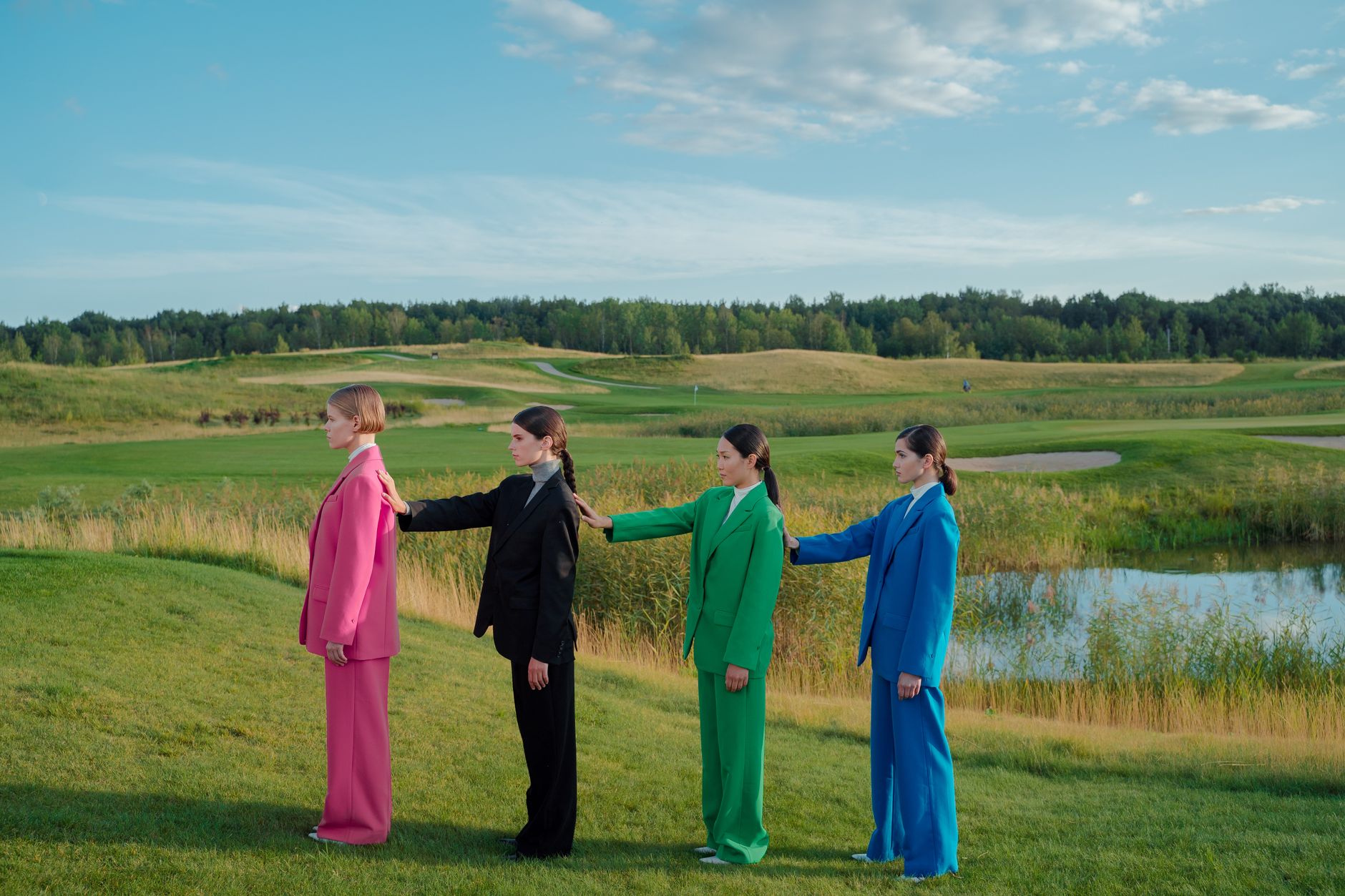
The Lemaire straight-leg trouser is not the tapered cigarette pant, and it is not the relaxed wide leg. It occupies a specific middle territory: a leg opening that holds consistent from hip to hem, with enough room to move but not enough volume to overwhelm. The waist tends to sit slightly higher than a traditional mid-rise, and the inseam length skims the top of the foot rather than puddling or cropping. That precision is not accidental. Every measurement is calibrated to create a vertical line that elongates without requiring heels.
The fabric choices reinforce what the cut is doing. Lemaire favors wool blends and cotton gabardines that carry enough structure to hold the leg’s shape without stiffening against the body. This is why the trouser reads differently across body types – it drapes rather than clings, moves with the wearer rather than imposing a silhouette on them. The wide-leg trouser required a certain confidence in volume; this one requires nothing except wearing it.
Why the Wide Leg Is Losing Its Hold
The wide-leg trouser was genuinely appealing when it arrived. It brought an ease that skinny jeans and slim-cut trousers had denied people for over a decade, and it photographed beautifully – big movement, strong lines, a visual drama that rewarded documentation on a grid. That visual logic made it perfect for a particular moment when clothing was being worn partly for its performance in images. That moment is passing.
Dressing is becoming quieter. Not more minimal in a studied, conspicuous way, but more focused on how clothing actually functions across a full day – commuting, sitting in meetings, walking through cities. The wide-leg pant, for all its appeal, requires management. It catches on chair legs, gathers at the shoe, and demands a certain top-to-toe intentionality that feels increasingly effortful. The straight leg removes all of that friction without sacrificing the relaxed ease that made people abandon slim trousers in the first place.
There is also a fatigue factor. When a silhouette becomes ubiquitous enough to appear on every fast-fashion retailer’s floor simultaneously, the original appeal curdles slightly. Wide-leg trousers are now available in virtually every price range, which signals that the shape has reached peak saturation. Fashion’s internal logic tends to respond to saturation by moving toward the opposite direction – but Lemaire’s straight leg is not the opposite of wide. It is a refinement, which gives it staying power that a dramatic overcorrection would not.
This is where Loro Piana’s tricotine trouser is navigating similar territory – a precise, structured pant cut that is gaining ground as volume-driven shapes start to feel overworked. The direction is consistent across multiple houses: less theatrical, more considered.

How the Straight Leg Is Being Styled
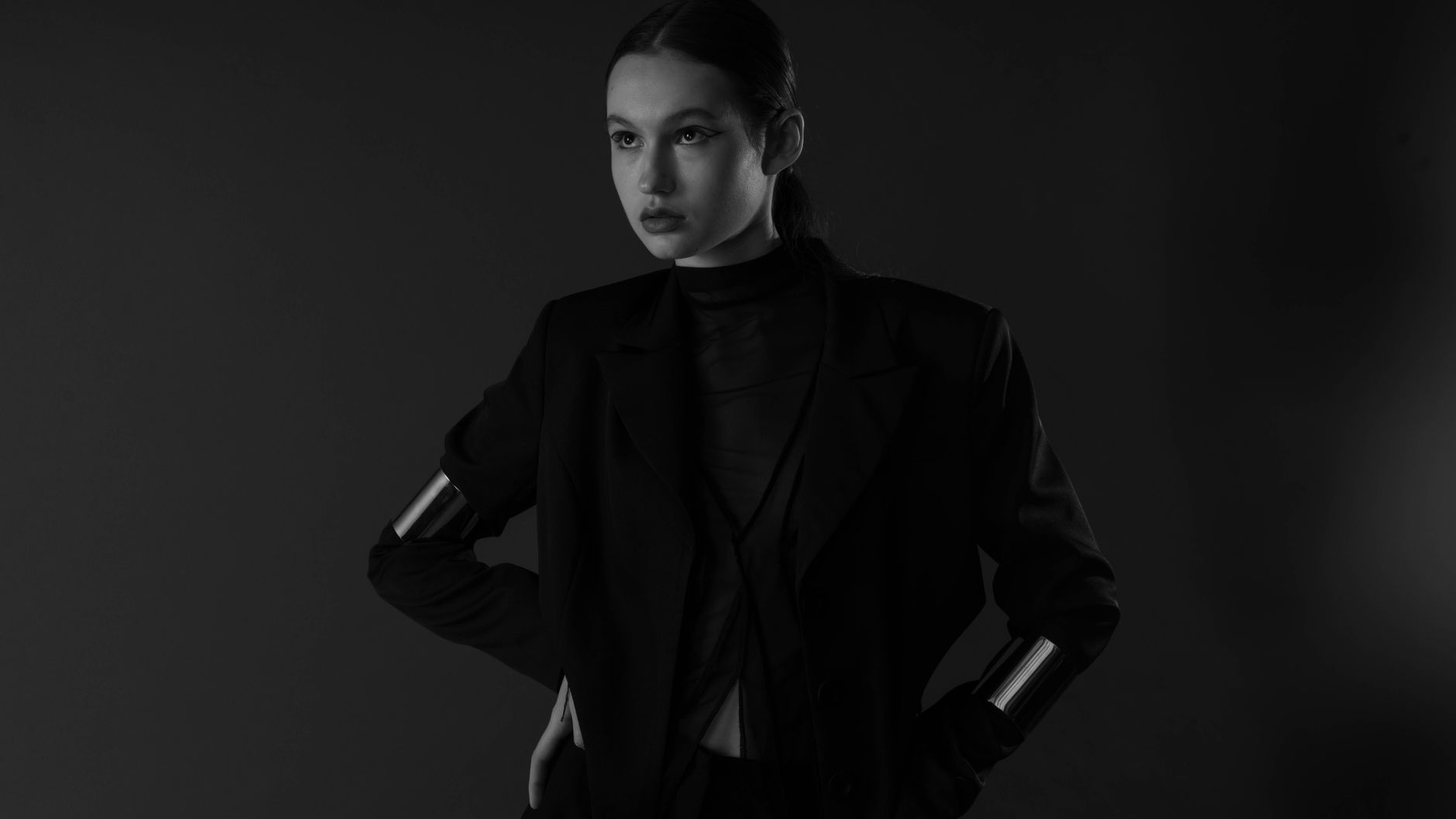
The way the Lemaire straight leg is being worn matters as much as the trouser itself. It pairs naturally with tucked or half-tucked shirts, loose knits that stop at the hip, and coats that have their own clean geometry. The shoe situation is notably different from the wide-leg formula, which practically required a chunky sole or a high heel to balance proportions. The straight leg works with flat loafers, simple mules, and low-profile sneakers without losing its composure.
The color story has stayed largely within Lemaire’s established range – warm ecrus, deep navies, earthy taupes, off-blacks. This is deliberate. When the silhouette is precise, color becomes a secondary variable rather than the thing carrying the look. The restraint in the palette is part of why the trouser integrates so easily into an existing wardrobe without requiring everything else to change around it.
The Longer Arc This Trouser Belongs To
Lemaire has been building toward this moment for several seasons. The house has consistently prioritized a particular kind of body relationship in its clothes – not fitted in the traditional sense, but responsive to movement in a way that feels almost architectural. The straight-leg trouser is the clearest expression of that approach in the bottom half of the body, and it has arrived at the exact moment when the broader fashion conversation is ready to receive it.
The question worth sitting with is whether this trouser marks the beginning of a longer straight-leg cycle or whether it functions as a bridge toward something even closer-cut. The signs currently point toward a sustained middle: not a return to the slim silhouettes of the 2010s, but a continued move away from maximalist volume. Lemaire’s version sets a standard that other houses are quietly measuring themselves against – which means the straight leg is not just gaining ground. It is setting the terms.

What This Means for What You Actually Buy
If you are reconsidering a wide-leg purchase or questioning whether the trousers you already own will carry through the next few seasons, the Lemaire straight leg offers a useful reference point. The proportions – that consistent leg width, the slightly elevated waist, the hem that just grazes the shoe – are the coordinates worth calibrating to, regardless of which brand you end up buying from.
Investment in a well-cut straight-leg trouser right now makes practical sense because the shape is not trend-dependent in the way that wide-leg was. It does not require a specific shoe height, a specific top volume, or a specific season to look right. That neutrality is its actual value. The wide-leg trouser was theatrical; this one is structural, and structural clothing tends to outlast theatrical clothing every time the market corrects.
The Lemaire trouser retails at a price point that demands commitment, which filters out impulse buying and concentrates ownership among people who will wear it consistently. That concentration matters because it shapes how the silhouette is perceived in public – it does not get diluted by casual overexposure. By the time the straight leg becomes genuinely widespread, Lemaire will have already moved the coordinates again.