


The tiered midi skirt had a good run. For the better part of three years, it was the reliable answer to every styling question – feminine but casual, easy to dress up, easier to layer. But something has been quietly displacing it on shop floors, on street-style feeds, and in the summer wardrobe calculus of women who actually think about what they buy. The broderie anglaise skirt is moving in, and it is doing so without fanfare.
What makes this shift worth paying attention to is not just the aesthetic change – it is what the broderie anglaise skirt says about where fashion’s appetite is right now. There is a growing preference for texture over silhouette, for craft detail over volume, for pieces that look considered without looking try-hard. The tiered midi answered a different moment. This one answers now.

Why the Tiered Midi Is Losing Ground
The tiered midi became so ubiquitous that it started to feel more like a default than a choice. When a silhouette saturates the market at every price point – from fast fashion to contemporary – it stops reading as personal style and starts reading as a uniform. That is not a criticism of the skirt itself. It is simply what happens when a trend completes its cycle. The tiered midi moved through early adopters, hit the mainstream, and then tipped into the kind of overexposure that makes discerning shoppers start looking elsewhere.
There is also a texture fatigue argument to be made. Tiered skirts, at their core, are about movement and volume. The lightweight fabrics – chiffon, cotton lawn, crinkle georgette – blur together after a while. They offer similar drape, similar flow, similar feeling. Broderie anglaise skirts offer something tactile in a way that most tiered styles simply do not: embroidered holes, raised stitching, fabric that invites touch. That physical dimension is part of what is pulling shoppers toward the style.
What the Broderie Anglaise Skirt Actually Offers
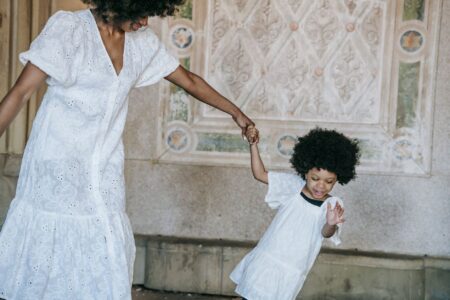
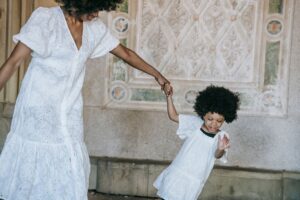
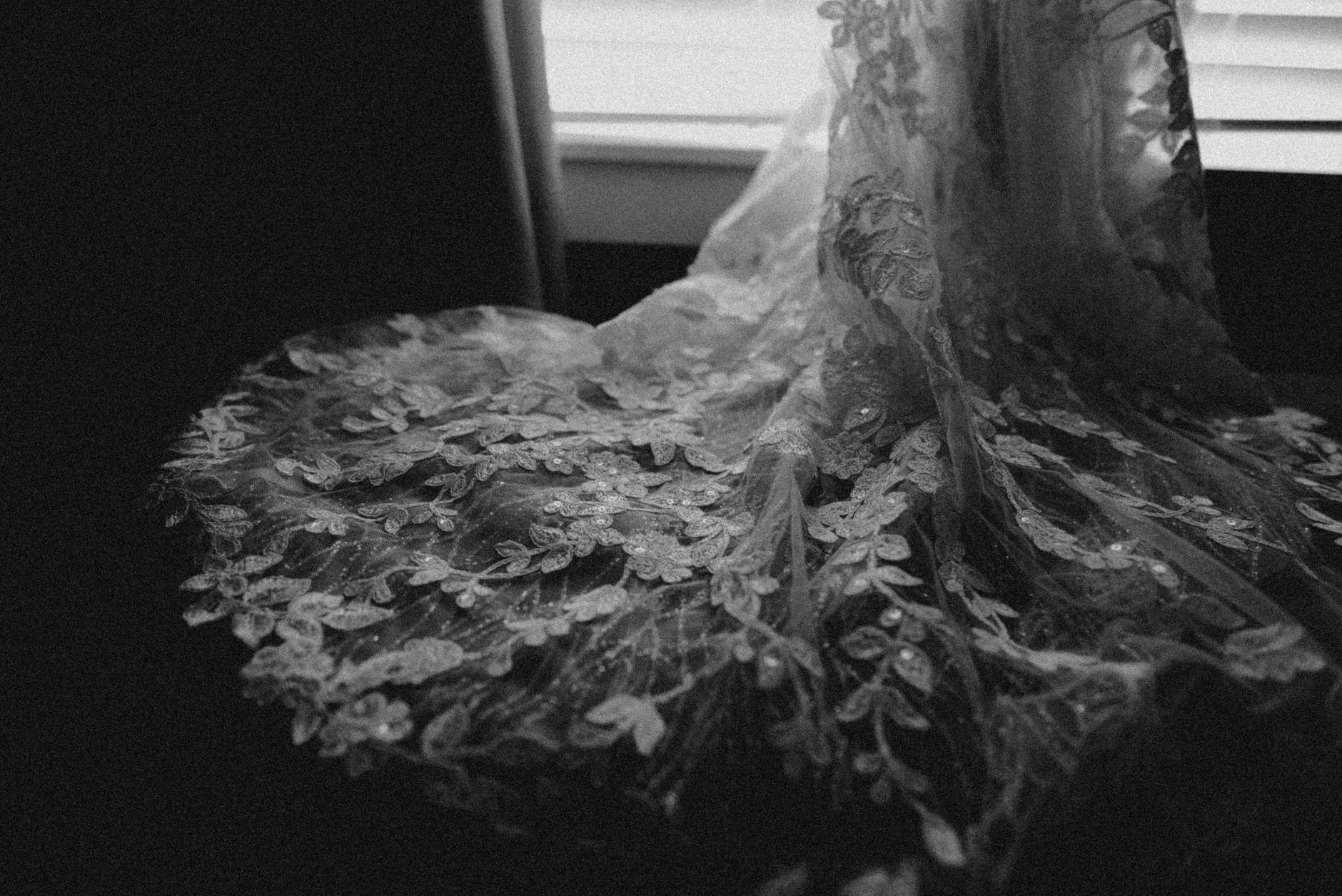
Broderie anglaise – the French term for “English embroidery” – refers to a needlework technique characterized by small, precisely cut holes edged with embroidered stitches, typically worked in white or cream cotton. The fabric has existed for centuries, used most historically in children’s clothing and Victorian summer wear. Its revival in skirt form is not exactly new – it resurfaces periodically – but the current version is different in proportion and styling intention than what came before.
The silhouettes appearing most frequently now are midi and maxi length, often with a straight or A-line cut rather than the gathered or full styles of previous broderie revivals. That choice in cut matters. It positions the broderie anglaise skirt closer to quiet luxury dressing than to the cottagecore aesthetic it was associated with a few seasons ago. The detail becomes the point, not the drama of the skirt’s shape.
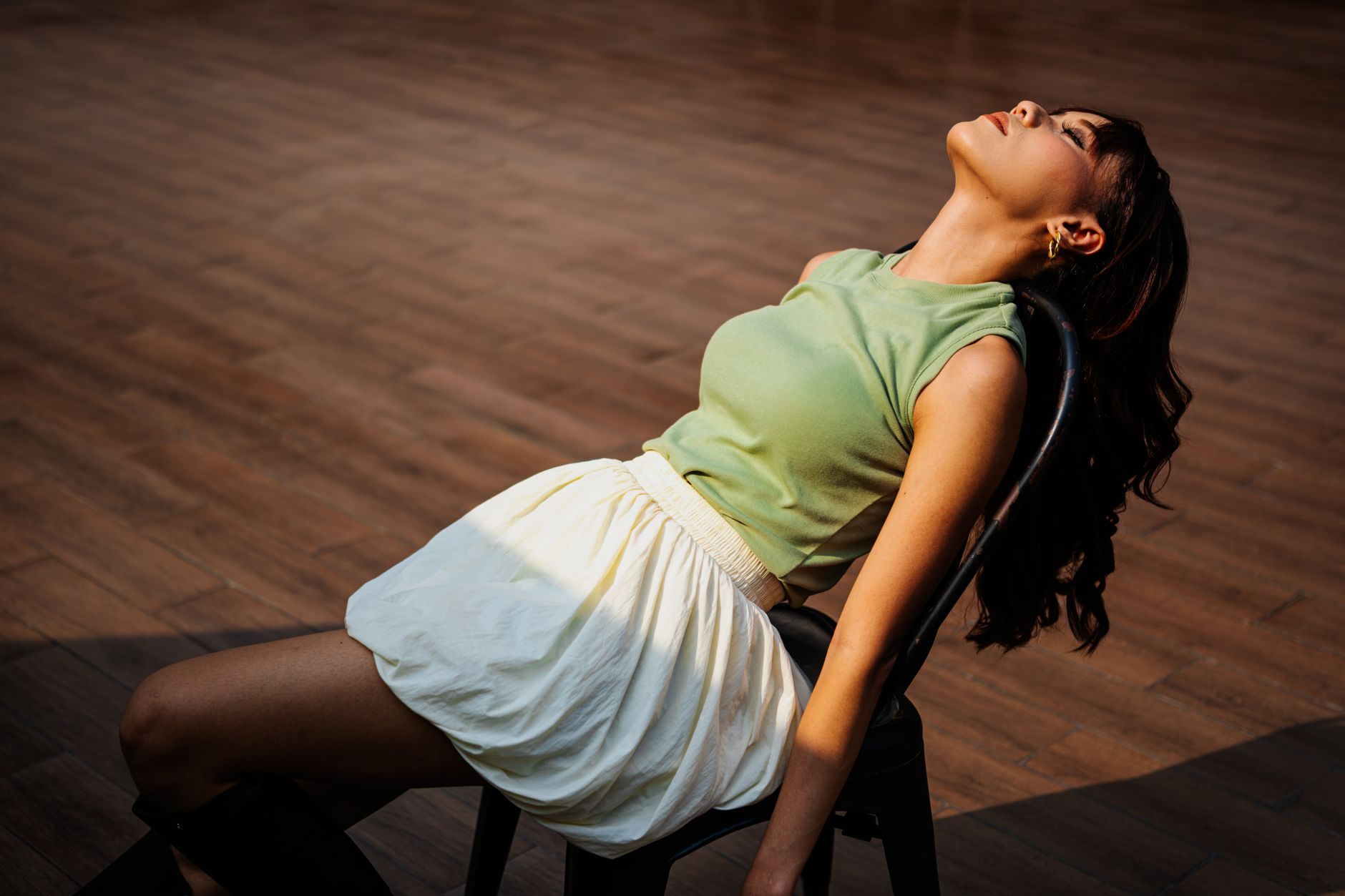
Styling versatility is another genuine advantage. A broderie anglaise skirt in white or ivory pairs with a fitted white tank and becomes a tonal summer look with real visual interest. The same skirt with a denim jacket and flat sandals reads entirely differently – more casual, more weekend. The embroidered texture does enough work that the surrounding pieces can stay simple. That low-effort compatibility with existing wardrobe pieces is a practical reason the style is gaining traction beyond just aesthetic appeal.
Color is expanding too. While white and off-white remain the dominant options, a growing number of brands are producing broderie styles in sage, dusty pink, navy, and even black. The black broderie midi in particular has been appearing with enough frequency to suggest it is not a novelty – it is where the trend is heading next. Black broderie has none of the pastoral associations of the classic white version and sits comfortably in a more urban, versatile wardrobe context.

Who Is Buying It and How They Are Wearing It
The women gravitating toward broderie anglaise skirts right now tend to be the same group that drove the linen trouser moment a couple of seasons back – shoppers interested in natural fabrics, artisan-adjacent detail, and clothing that holds up to scrutiny in person rather than just photographing well. The texture of broderie anglaise is one of those details that actually looks better in real life than on a product page, which is an unusual quality in an era when so much buying happens through a screen.
Styling choices currently trending around the silhouette lean toward restraint. Fitted bodice pairings – whether a simple ribbed top, a linen shirt tucked in, or a thin-strapped camisole – are more common than the loose, flowy top combinations that worked with tiered midis. The broderie skirt, because it already carries significant visual texture, works best when the top half stays quieter. For footwear, the pointed-toe mule has become a natural companion – its sleekness offsets the fabric’s softness without competing with it.
What Retailers Are Signaling
The clearest indicator that broderie anglaise is not just a social media moment is where it is showing up in buying and production. Mid-market and contemporary brands have significantly expanded their broderie offerings compared to the previous two spring/summer cycles. At the higher end, the fabric is appearing in more structured, tailored interpretations – broderie pencil skirts, broderie co-ord sets – rather than only the relaxed, bohemian cuts associated with the fabric’s past iterations. That range signals a category maturing into something with broader commercial staying power.
Fast fashion’s treatment of a trend is often the most honest measure of how mainstream it has actually gone. When budget brands start producing multiple colorways and silhouettes of a style – not just one token piece – the trend has crossed a threshold. Broderie anglaise is currently at that point, with several major fast fashion retailers expanding their offerings considerably from what was available just twelve months ago.
What remains genuinely interesting about the broderie anglaise skirt’s rise is the question of longevity. Trends that spread through texture and craft detail tend to have longer cycles than those built on a single silhouette – people stay attached to how fabric feels and looks up close in a way they do not stay attached to a particular hemline. Whether that holds true here, or whether broderie goes the way of the tiered midi and exhausts itself through saturation, will depend largely on how broadly it spreads before the fashion conversation moves on. Right now, it has not spread far enough to feel tired – which is exactly the window when wearing it feels like a choice rather than a reflex.