



The Bag That Doesn’t Announce Itself
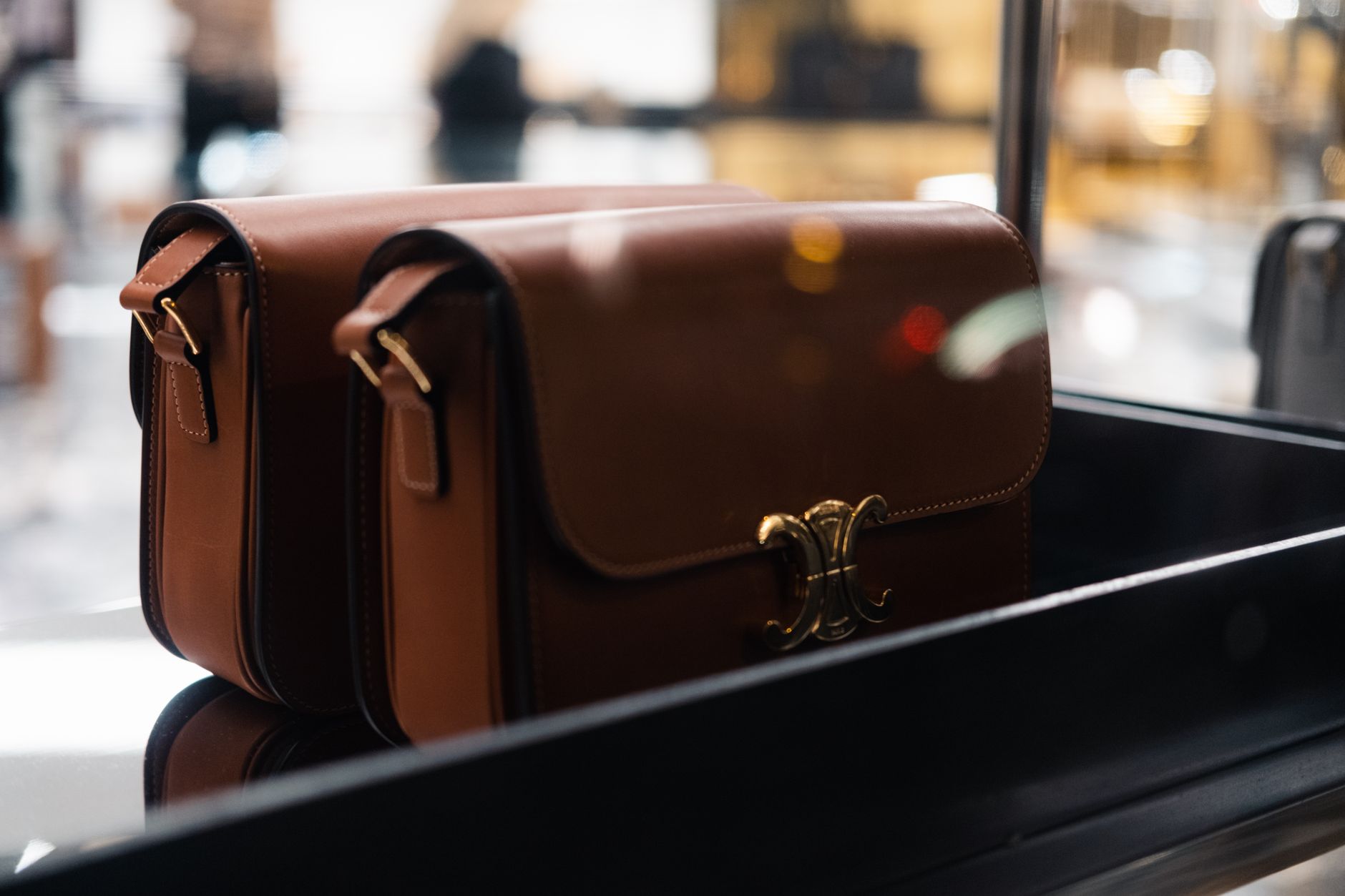
There is a particular kind of status object that works by refusing to explain itself. No logo splashed across the front, no hardware spelling out the house name, no obvious signaling to anyone who hasn’t already done their homework. Bottega Veneta built an entire identity around this idea, and the Andiamo bag – introduced quietly into the lineup and now accelerating through the wardrobes of women who have grown tired of carrying their lives in an open-top tote – is the clearest expression of that philosophy the brand has produced in years.
The tote had a long reign.
For the better part of a decade, the structured leather tote defined what a serious bag looked like – capacious enough for a laptop, a water bottle, a change of shoes, and whatever else the day demanded. It read as practical without being frumpy, expensive without being frivolous. But something shifted in how women are thinking about what they carry, and the Andiamo – a trapeze-shaped, top-handle bag with an intrecciato-woven body and a shoulder strap that actually allows you to move – arrived at exactly the right moment to absorb that frustration.

What the Andiamo Gets Right That the Tote Doesn’t
The fundamental problem with the tote is its openness. Everything you put inside is visible from above, subject to rain, easy to grab, and constantly shifting. You spend a significant portion of your day fishing for your phone at the bottom of a bag that was designed to hold more than you actually need. The Andiamo closes properly. It has a magnetic clasp, a defined interior, and a shape that holds itself upright without assistance. These are not small improvements.
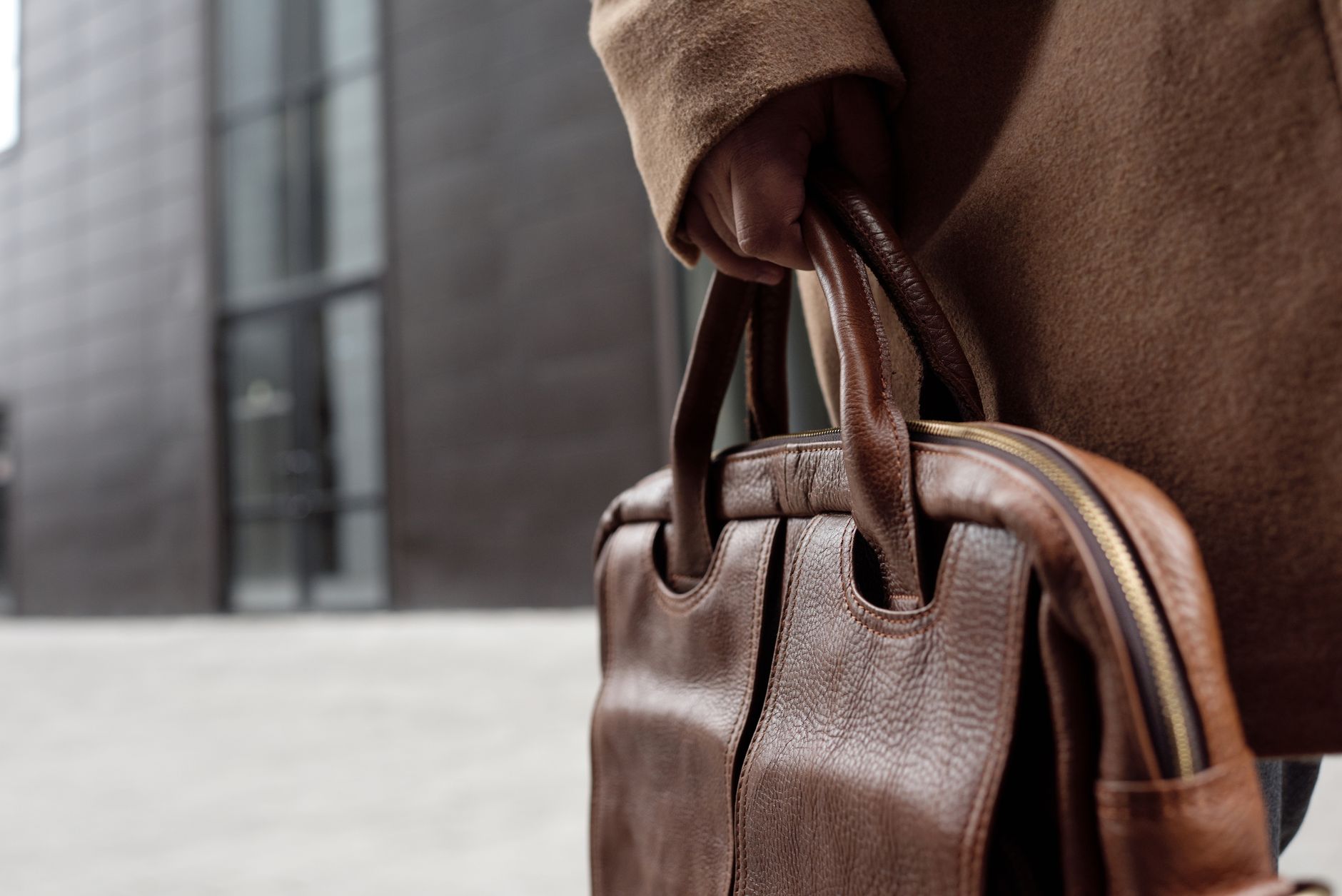
The proportions matter as much as the function. The Andiamo comes in three sizes – the mini, the standard, and a larger format that competes directly with the tote on sheer capacity – but even the largest version maintains a silhouette that reads as a bag rather than a vessel. The trapeze shape is narrower at the top than at the base, which means it sits against the body cleanly when worn on the shoulder rather than swinging out and hitting everyone you pass. The top handles are substantial enough to grip without cutting into your palm. These details suggest a design process that started with how bags are actually used rather than how they photograph.
Bottega’s intrecciato weave, the interlaced leather technique the house has used since the 1960s, does something structurally useful on the Andiamo that it doesn’t always achieve on softer silhouettes. Because the bag is designed with more architectural intention, the weave gives the exterior a rigidity that eliminates the need for visible hardware or additional structure. The leather holds its form. It also develops a patina that improves with use rather than showing wear, which is an argument for the Andiamo that the average coated-canvas or nylon tote simply cannot make.
Why It’s Replacing the Tote Specifically
The tote’s dominance was always tied to a certain set of lifestyle assumptions: that you needed to carry a lot, that structure was less important than capacity, and that the bag was ultimately a supporting character rather than a focal point. A growing number of women are rejecting all three of those premises at once. Hybrid work schedules mean fewer days of hauling a full laptop setup. The rise of structured investment pieces across categories has made the utilitarian tote feel like a gap in an otherwise considered wardrobe. And there is a specific exhaustion with bags that require you to organize yourself rather than doing the organizing for you.
The Andiamo slots into a wardrobe category that the tote was never designed to occupy. It works with tailoring in a way that an open-top leather tote rarely does – the clean top line and the structured body read as intentional rather than practical. It can carry an outfit the way a good shoe can, anchoring a look rather than just completing it. That is a different ask than the tote ever had to meet, and the Andiamo meets it without appearing to try.
The pricing sits where you would expect for Bottega – the standard size runs well above what most people spend on a bag without deliberate intention – but the costing logic is straightforward. Intrecciato leather goods are hand-woven by craftspeople in the Veneto region, a process that takes significantly longer than standard leather construction and cannot be easily automated. The result is a bag where the cost is visible in the object rather than in a label. That distinction is increasingly what the luxury buyer is looking for, and it is a value proposition the average tote, even an expensive one, struggles to articulate.

The Momentum Is Already There
Waitlists for the Andiamo in core colorways – the deep clay, the slate, the dark olive – have become a recurring feature at Bottega boutiques in major markets, and the resale premium on the bag in unworn condition suggests demand that hasn’t yet caught up to supply. The tote is not disappearing from anyone’s wardrobe overnight. But the question of which bag a woman reaches for when she wants to feel both prepared and put-together has a new answer, and for a growing number of people, that answer is not the one with the open top.