

The Eyelet Effect
There is something happening in the white top category that did not announce itself with a runway moment or a viral campaign. The broderie anglaise cami – all delicate eyelet cutwork and cotton softness – has been appearing with increasing frequency on the kind of women who previously lived in linen tanks from June through August. The shift is subtle enough that most people have not consciously registered it yet, which is exactly what makes it worth paying attention to.
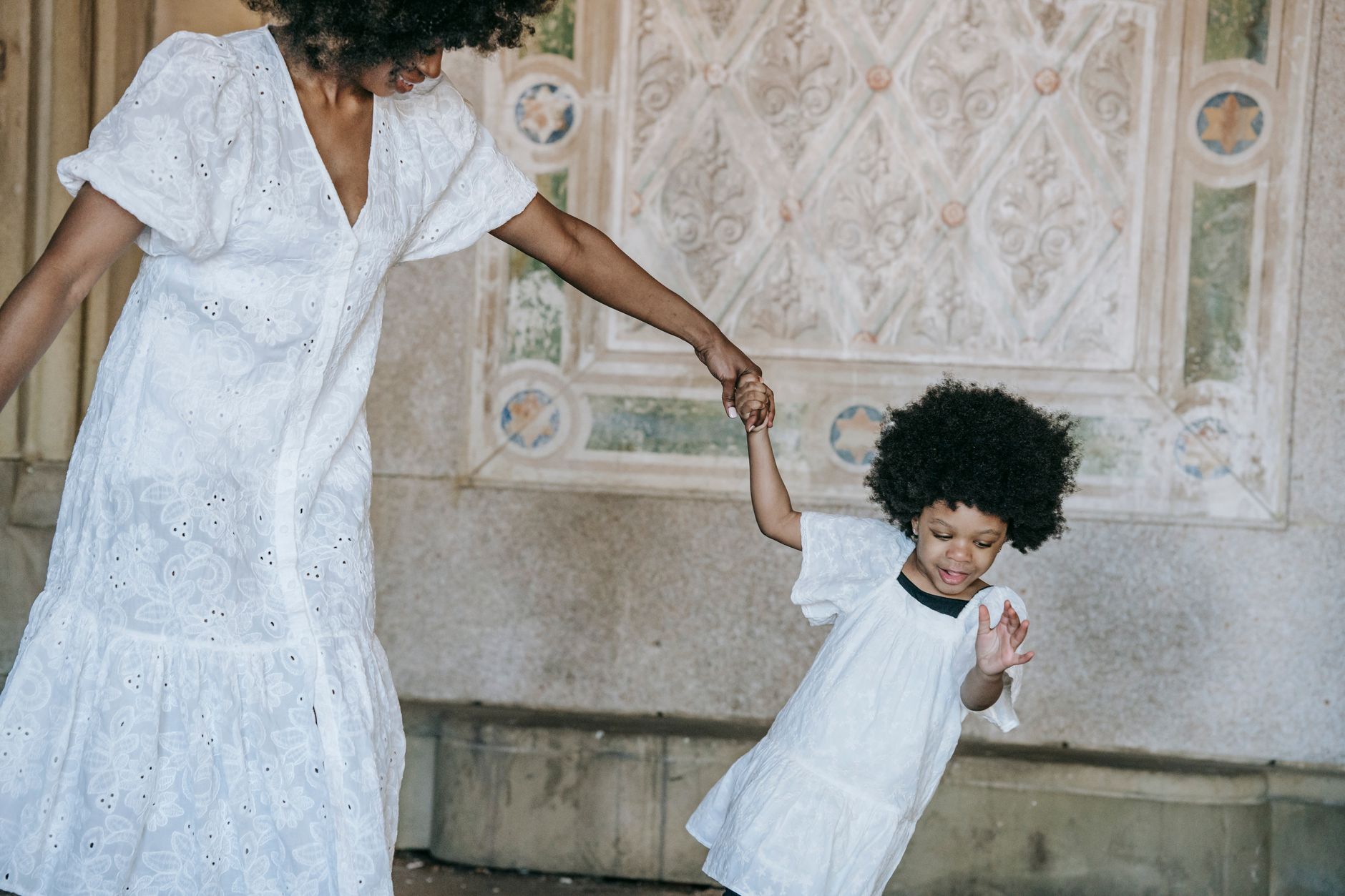
Broderie anglaise, for the uninitiated, is an embroidery technique characterized by small, precisely cut holes edged with stitching, typically worked in white or cream cotton. It has a long history in European fashion, particularly in childrenswear and Victorian blouses, which is partly why its current moment feels so surprising. This is not a fabric that reads as trend-forward on paper.
And yet, here it is.
Why the Linen Tank Is Losing Ground
The linen tank had a genuinely strong run. It offered the kind of relaxed, unfussy dressing that defined the early part of this decade – something that looked effortless even when it was slightly wrinkled, which of course it always was. Brands built entire summer collections around it in every colorway imaginable, and it became the baseline wardrobe item for a particular type of minimalist aesthetic. That ubiquity is, ironically, part of what’s working against it now.
When something becomes too default, the eye stops registering it as a choice. The linen tank began to feel less like a considered piece and more like the absence of a decision. Broderie anglaise occupies exactly the opposite position: it reads as intentional without requiring effort. The texture alone carries visual interest. The eyelet detail does the work that a person wearing a plain tank has to do through jewelry, layering, or silhouette. That is a meaningful distinction when you are getting dressed quickly on a warm morning and want to look like you thought about it.
There is also a tactile argument to be made. Linen, for all its breathability, can feel scratchy against bare skin depending on the weave and weight. Good broderie anglaise – particularly versions made from lawn cotton or fine voile – sits differently. It is soft where linen is sometimes stiff, and it drapes rather than skims. That difference matters enormously in a cami, where the fabric is in constant contact with the body.
How to Wear It Without Looking Costume-y
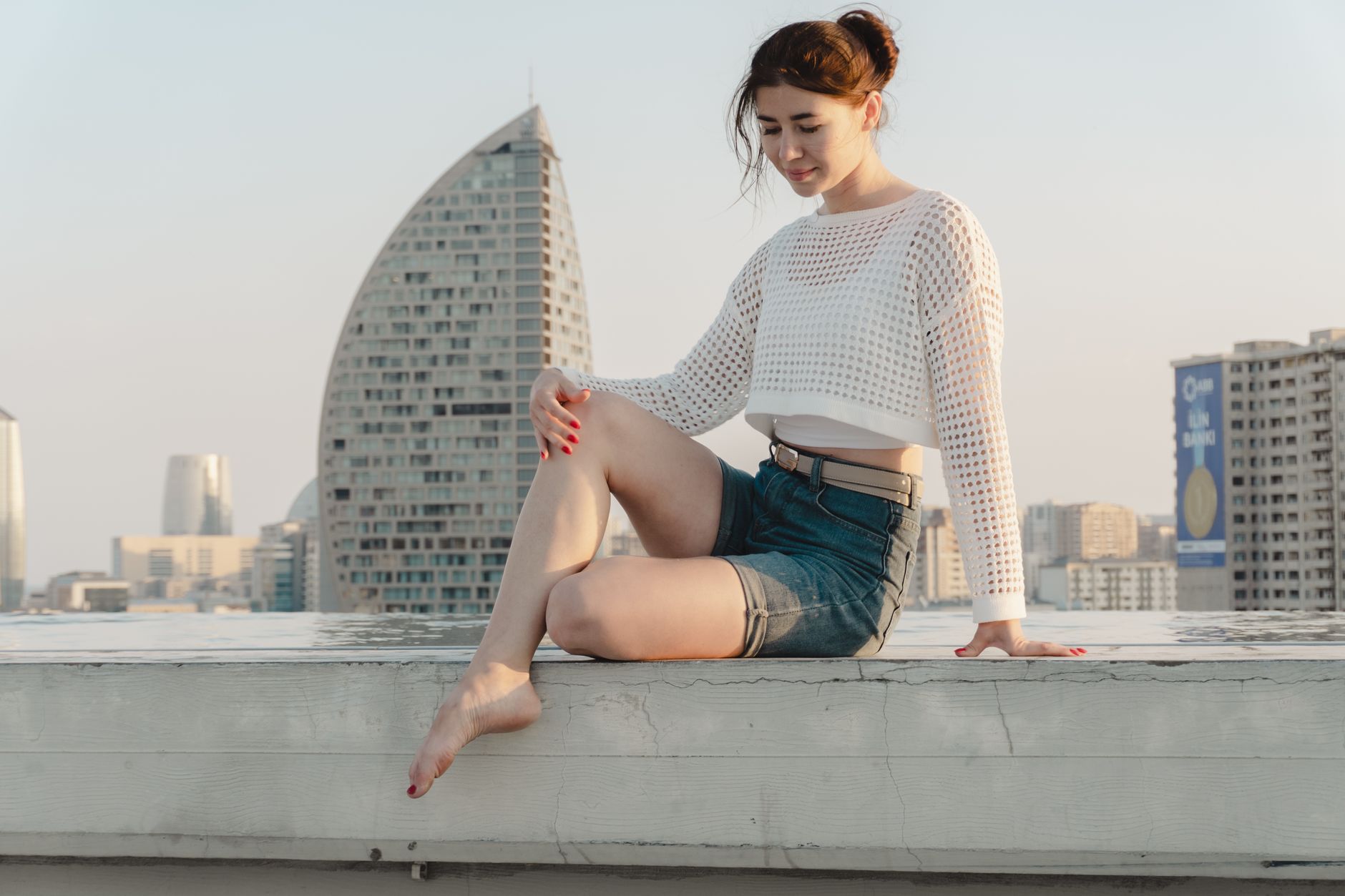
The most common hesitation around broderie anglaise is the fear of looking like you raided a period drama wardrobe. It is a legitimate concern – the fabric does carry romantic, historical associations – but it is also one that dissolves almost entirely depending on what you wear it with. The styling logic is counterintuitive: the more delicate the top, the sharper the contrast pieces need to be.
A broderie anglaise cami looks genuinely modern tucked into wide-leg tailored trousers. It works with straight-cut denim in a mid or dark wash. It holds its own under a blazer in a way that a linen tank sometimes cannot, because the eyelet texture creates enough visual weight to balance a structured outer layer. The white-on-white or cream-on-cream approach – pairing the cami with linen trousers or a cotton maxi skirt in a tonal palette – is also worth considering, and it avoids the costume read entirely by leaning into the softness rather than contrasting it. What kills the look is teaming it with too many other feminine-coded pieces simultaneously: a floral skirt, delicate sandals, and a straw bag all at once tips into something that feels overly coordinated rather than casually elegant.
The cami specifically matters here, as opposed to the broderie anglaise blouse or dress, because of what it signals about proportion. A cami is inherently casual. It carries no pretense of being a statement piece. That informality anchors the more ornate qualities of the fabric and keeps the overall impression grounded rather than precious. It is why this particular iteration of the trend feels accessible to people who would never reach for a full eyelet midi dress.
The Brands and the Price Points Worth Knowing
One of the more interesting aspects of this trend is how evenly it is distributed across price points. High street brands have been producing broderie anglaise camis in the twenty to sixty dollar range throughout this season, and the quality gap between these and more expensive versions is smaller than you might expect, provided you check for reinforced eyelet stitching rather than printed eyelet imitation – a shortcut some brands take that looks markedly cheaper in person. At the higher end, a growing number of independent labels are working with heritage European broderie anglaise fabric suppliers to produce pieces in limited runs, which has given the fabric a quiet prestige association without it becoming fully luxury-coded yet.
What the price range confirms is that this is not a trend driven by aspirational dressing or status signaling. It is being adopted because it works – functionally, aesthetically, and practically – across a wide range of women and wardrobes. That broad, unforced adoption is a better indicator of longevity than any amount of editorial coverage.
The linen tank is not going anywhere, and no one is suggesting you throw yours out. But when you reach for a new white top this summer and find yourself choosing broderie anglaise over linen without quite knowing why, the answer is simpler than you might think: the eyelet version just looks like you tried slightly harder, even when you did not try at all. That particular illusion is worth a lot in a wardrobe.