


The Noise Is Gone. The Clothes Remain.
For a stretch of several years, Balenciaga built its identity around spectacle – destroyed sneakers, garbage bag clutches, and runway shows staged as apocalyptic theater. The brand became impossible to ignore and equally difficult to take seriously as a craft house. Critics wrote think pieces. Buyers placed orders anyway. The cycle repeated itself until, gradually, it didn’t.
What’s happening now at Balenciaga is quieter in every sense. The collections arriving in recent seasons have pulled back from the provocateur playbook, returning to something closer to the house’s foundational language: architectural tailoring, controlled silhouettes, and a seriousness about construction that the shock-era pieces rarely allowed space for. Fashion critics who spent years holding the brand at arm’s length are reconsidering their positions.

A Return to the Architecture of the House
Cristobal Balenciaga built his reputation on structure. His original couture work – the cocoon coats, the envelope gowns, the sleeves set away from the shoulder – was obsessed with how fabric behaves around the body without relying on it. That technical philosophy largely disappeared during the house’s years of maximum disruption, when the concept was the product and the garment almost beside the point. The new collections are drawing deliberately on that legacy, not as nostalgia, but as a reorientation toward what the house can actually do better than almost anyone.
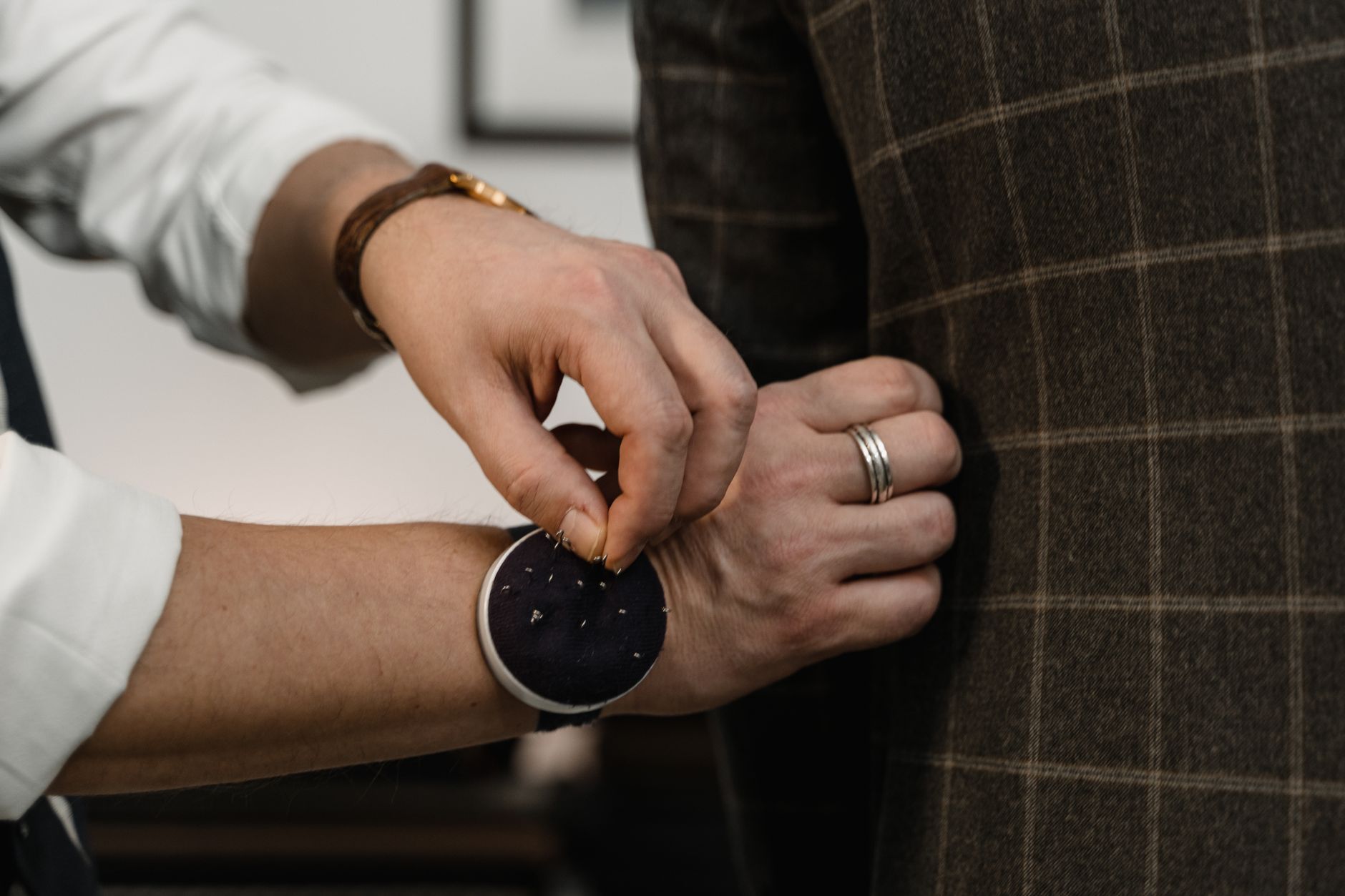
The tailoring in recent Balenciaga offerings has drawn particular attention from the critical press. Shoulders are considered. Seam placement is intentional. The kind of coat that would have looked at home in the house archives sits alongside more contemporary pieces without the styling feeling forced or archival for its own sake. That balance – historical fluency without reverence – is genuinely difficult to pull off, and the current creative direction is managing it with more consistency than the brand has shown in years.
There’s also been a visible change in how the house presents these clothes. The staging has become less theatrical without becoming boring, a recalibration that allows the garments to carry the weight of the show rather than competing with a concept. When the clothes are strong enough, they don’t need much else around them. Balenciaga is betting on that again.
Critics Are Writing Differently Now
The critical shift is audible in the language reviewers are using. Where Balenciaga coverage once defaulted to debating intent – is this irony, is this commentary, is this fashion at all – the recent season reviews are spending more time on the clothes themselves. That’s a significant change, and it signals that the work is holding up to scrutiny on its own terms.
This kind of critical rehabilitation is not unique to Balenciaga. Bottega Veneta went through a comparable reappraisal when the house shifted toward quieter, craft-centered work under Daniel Lee, proving that audiences and critics respond strongly when a luxury house stops performing loudness and starts delivering on the actual promise of craft at high price points. The appetite for that kind of work is real and consistent.
The Commercial Calculation Behind the Quiet
Luxury fashion criticism and luxury fashion commerce often move in opposite directions, but they have converged here in a way that matters for Balenciaga’s standing. The provocateur era generated enormous media coverage and kept the brand culturally visible, but it also created a specific kind of customer – someone buying into a meme, a moment, a controversy. That customer is fickle by definition. The customer who buys a coat because the coat is genuinely excellent is considerably harder to acquire and considerably harder to lose.
Balenciaga’s quieter direction is an attempt to build toward the second kind of customer without abandoning the cultural fluency the brand developed during its louder years. That’s a difficult balance sheet to manage. The house still carries the associations of the shock era, and some of those associations are ones the brand would prefer not to carry. Rebuilding critical goodwill is one part of a longer effort to reposition what the name actually means in the market.
Pricing at the house remains at the top of the luxury tier, which means the work has to justify itself in ways that provocateur positioning no longer can. A coat that costs several thousand dollars needs to be a very good coat. That pressure is clarifying – it pushes the creative work toward durability and technical merit rather than toward concepts that photograph well and fade fast. The critics noticing this shift are responding to something real in the product, not just to a marketing posture.

What’s also worth watching is whether this direction holds through full commercial cycles. A single well-reviewed collection can be a correction. Several seasons of consistent, serious work is a new identity. Balenciaga has delivered the former; the industry is waiting to see if it can sustain the latter. The critical community has a long memory for houses that signal change and then retreat back to familiar territory when the reviews cool down.
Right now, the tailoring is good enough that the question feels open rather than settled.