


The trouser has dominated polished dressing for decades – structured, versatile, and endlessly adaptable to whatever the season demanded. But something has been shifting quietly in the wardrobes of women who dress with intention. The midi skirt, specifically Dries Van Noten’s fluid, bias-cut interpretation, is taking up more closet real estate, and the trouser is losing ground to it in ways that feel less like a trend and more like a slow correction.
Van Noten’s skirts – typically rendered in silk, satin, or crepe with a weight that moves rather than drapes stiffly – have become a recurring presence on the kind of women who once considered trousers their default uniform. The shift isn’t dramatic or loud. It’s the quiet accumulation of outfit choices that, over a season or two, starts to tell a clear story about where tailored femininity is actually heading.
Why the Fluid Midi Works Where the Trouser Doesn’t
Trousers solve a specific problem: they impose structure and offer a clean, androgynous line that reads as professional across almost any context. The fluid midi skirt solves a different problem entirely. It moves with the body rather than containing it, which creates an ease that tailored trousers – even exceptionally well-cut ones – can rarely match. Van Noten understands that ease doesn’t have to mean casual, and his skirts prove the point every season.
The specific cut he returns to – hitting at mid-calf, often with a slight bias that encourages gentle movement – threads a needle between formal and relaxed that most trousers struggle to reach. Worn with a tucked silk shirt or a simple knit, it reads as put-together without the rigidity that even the finest wool trouser carries. That balance is where the real appeal lives.
The Fabric Question Is the Central Argument
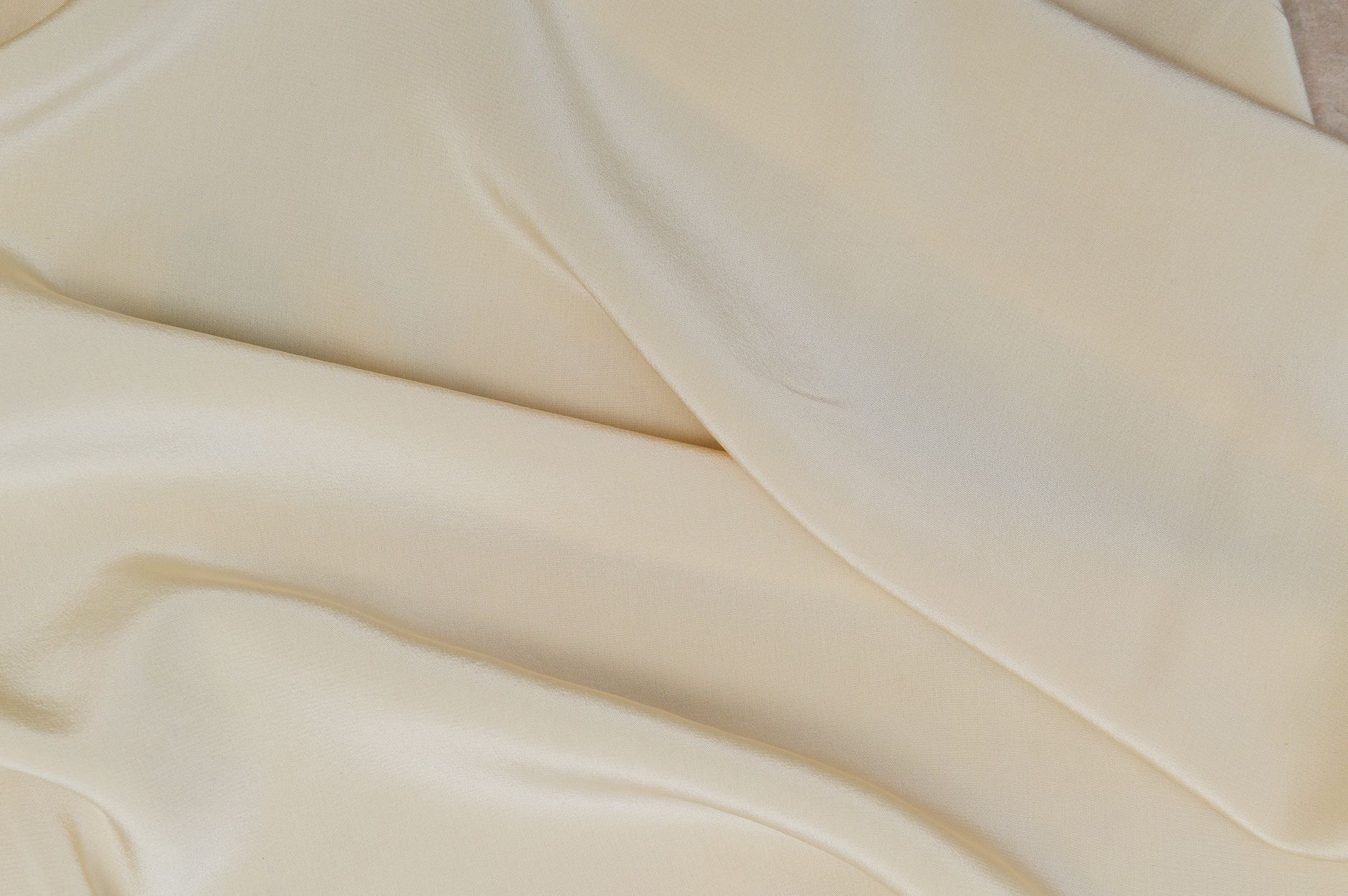
Van Noten has long approached fabric as the primary design decision rather than an afterthought, and his midi skirts are the clearest evidence of that philosophy. He works in materials that have inherent behavior – satin that catches light differently as it moves, crepe that falls with a controlled looseness, silk charmeuse that shifts between structured and fluid depending on how the wearer stands. The fabric isn’t decorating the shape; it is the shape.
This is where the comparison to trousers becomes most pointed. A well-made trouser depends on construction – the seams, the lining, the break at the ankle – to do the work. Van Noten’s skirts depend almost entirely on the cloth itself. Strip away the craftsmanship from a fine wool trouser and you have a limp rectangle. Strip away the construction from one of his bias-cut midi skirts and the fabric still falls beautifully. The intelligence is woven in.
The color choices reinforce this. Van Noten’s palette in these skirts tends toward rich, slightly complex tones – dusty burgundies, muted ochres, deep greens with a slight shimmer – that behave differently in different lighting. A solid-color trouser reads the same way at noon as it does at dinner. His skirts change across the day as the fabric catches and releases light, which gives a single garment considerably more range than it appears to have on the hanger.
That range matters practically. Women who have been buying one of his fluid midis report reaching for it in contexts where they would previously have defaulted to trousers: business dinners, gallery openings, long travel days where the structure of tailoring would feel punishing by arrival. The skirt isn’t replacing the trouser in every situation, but it is claiming more of them than most expected.

The Trouser’s Remaining Territory
To be clear, the trouser hasn’t been displaced entirely – and Van Noten himself continues to show strong trouser options each season, which complicates any clean narrative about one garment defeating another. The places where trousers still hold their ground are real: early morning meetings, outdoor events in uncertain weather, any situation where physical movement is a priority. A fluid satin midi skirt on a bicycle or navigating a crowded trade show is not a natural fit.
But the territory the trouser once held by default – polished evenings, cultural events, the category of occasions that require dressing up without costume – has been genuinely contested. The conversation about what makes a luxury trouser worth its price has been running for several seasons now, and one answer that keeps surfacing is that the best trousers are valued precisely because they do something a skirt can’t. When a skirt can do most of the same things, the argument narrows.
How Women Are Actually Styling It
The styling choices that have attached themselves to Van Noten’s midi skirts are telling. Rather than pairing them with overtly feminine tops – silk blouses, delicate knitwear – women are increasingly wearing them with structured jackets, oversized blazers, and even simple crewneck sweaters. The skirt brings the softness; everything above it can stay intentionally hard. That contrast is precisely what the trouser used to provide when paired with a more flowing top, just inverted.
Footwear choices have settled into a clear pattern as well. The fluid midi skirt works particularly well with footwear that has weight to it – chunky loafers, low-heeled boots, even a substantial flat sandal in summer – because the visual mass at the foot counterbalances the movement of the fabric. A very delicate shoe underneath a moving satin skirt can look unresolved. Grounding the look at the ankle gives the skirt’s fluid quality something to work against.
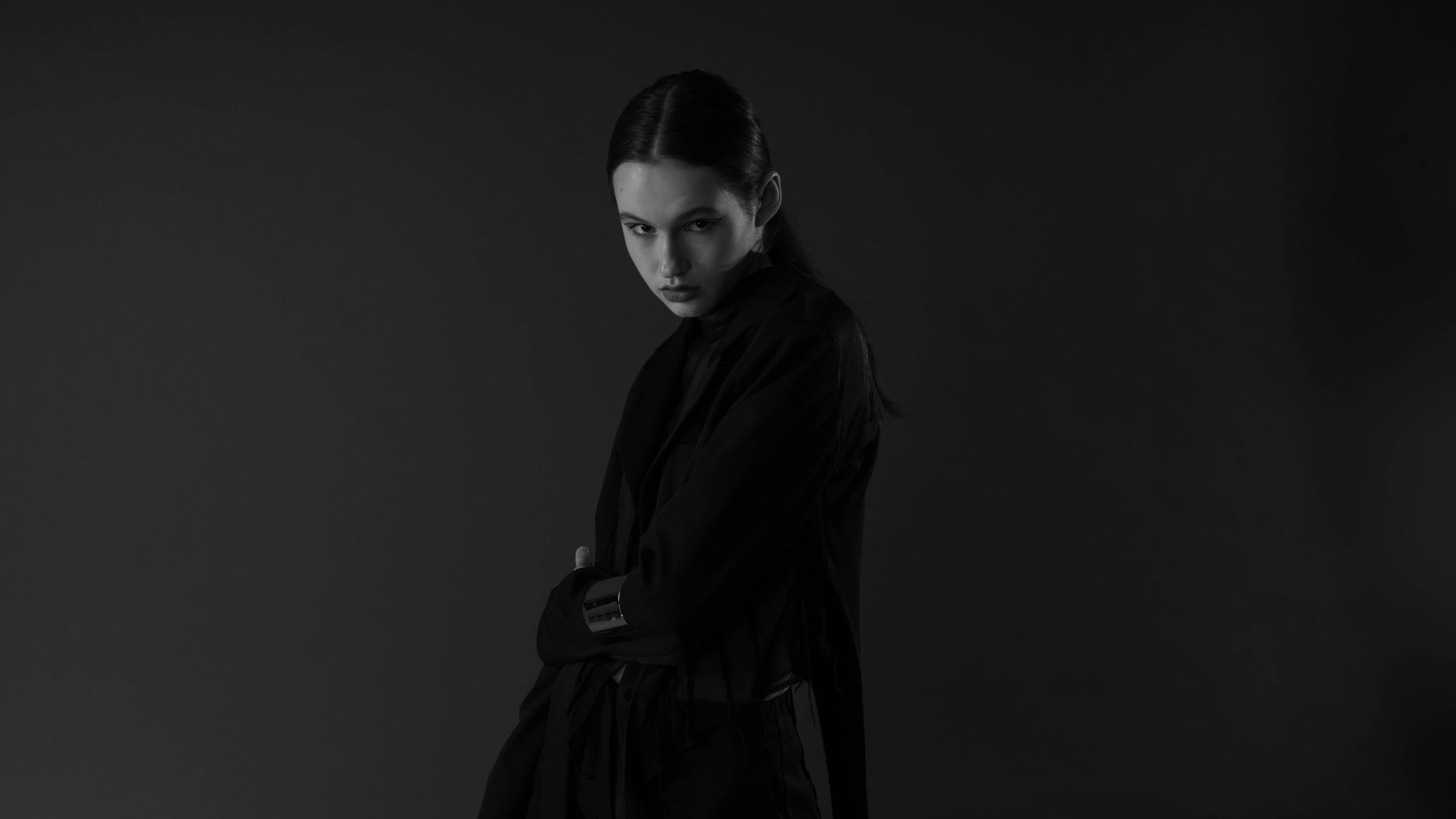
Van Noten’s approach to the midi length specifically – not knee-length, not maxi, not tea-length, but that particular band around mid-calf – also reflects an understanding of how women actually move. The hem sits clear of the knee entirely, which removes the awkward restriction that a pencil or A-line skirt at that length can create. Walking, climbing stairs, sitting at a long dinner: the garment accommodates all of it without the wearer thinking about it.
That unthinking ease is the quiet argument the fluid midi is winning. The best trousers require periodic adjustment – a tug at the waistband, a check of the break, a consideration of whether sitting has ruined the crease. Van Noten’s skirts require almost none of that maintenance. They recover their shape because the fabric wants to fall that way, not because construction is holding it there. For anyone who has worn a beautiful trouser through a long day and felt it slowly work against them, the distinction is not a small one.