


The first clue is usually the laptop. Then comes the stroller parked beside the milk station, the dog bowl by the door, and the group of retirees who have claimed the same corner table every Tuesday morning. Somewhere in the past several years, the specialty coffee shop stopped being a place where you collect a drink and leave. For a growing number of people, it is the room they spend time in when they are not at home or at work.
That change is easy to miss because it happens in small increments. A shop adds a communal table, a shelf of secondhand paperbacks, a corkboard for neighborhood flyers. Regulars start recognizing each other. Baristas learn names, orders, and which customers want conversation and which want to be left alone. What began as a pursuit of a better espresso has turned into something closer to a shared sitting room for people who live within walking distance.
From Pour-Over Bars to Standing Appointments
Early specialty coffee culture was oddly austere. The focus was on origin, roast profile, and extraction, and the spaces often matched: bare concrete, hard stools, a menu that read like a lab sheet. The point was the cup. Customers were expected to appreciate it, finish it, and make room for the next person.
That austerity has softened. The cup still matters, and the better shops are still obsessive about it, but the room around the cup now carries equal weight. People return for the lighting, the music at a volume that allows conversation, the chair that is actually comfortable after an hour. A latte has become the price of admission to a place where nobody asks you to explain why you are still sitting there.
How the Room Itself Gets Built
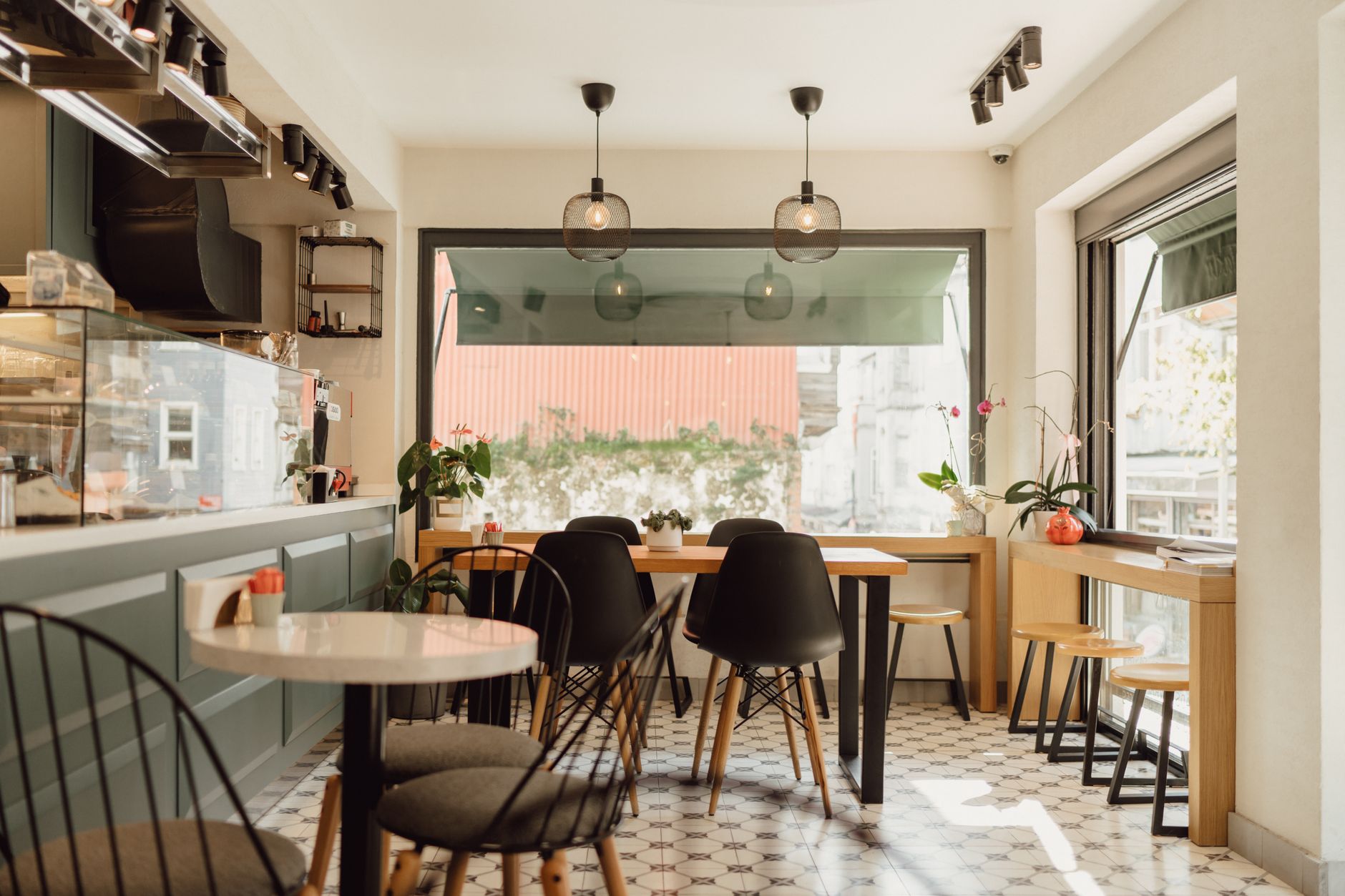
Design does much of the work. Shops that read as living rooms tend to break up their floor plans into zones: a long shared table for groups, a few two-tops for dates and catch-ups, a soft bench along the wall for people who want to read. Warm bulbs replace the harsh overheads. Rugs, mismatched lamps, and plants soften the acoustics of what used to be a hard-surfaced box. The effect is a room that suggests staying rather than turning over.
Programming adds a second layer. Many neighborhood shops now host things that have little to do with coffee: a weekly run club that finishes at the door, a monthly book swap, a local illustrator’s prints on the walls, a knitting circle that meets on slow weekday afternoons. None of these events needs to be a major production. Their value is that they give people a reason to show up at a predictable time, and predictable gatherings are how strangers become familiar faces.
Then there is the staff, who function less like order-takers and more like hosts. A barista who remembers that a customer’s mother was ill, or that someone is training for a marathon, is doing emotional work that no menu board can replicate. The best shops treat this as part of the job description rather than a happy accident. They hire for warmth and teach the technical skills afterward.
Even the small rituals matter. A house mug handed over instead of a paper cup tells a customer they are expected to stay for a while. So does a water pitcher left out on the counter, or a charging station placed near a comfortable chair rather than hidden by the trash bin.
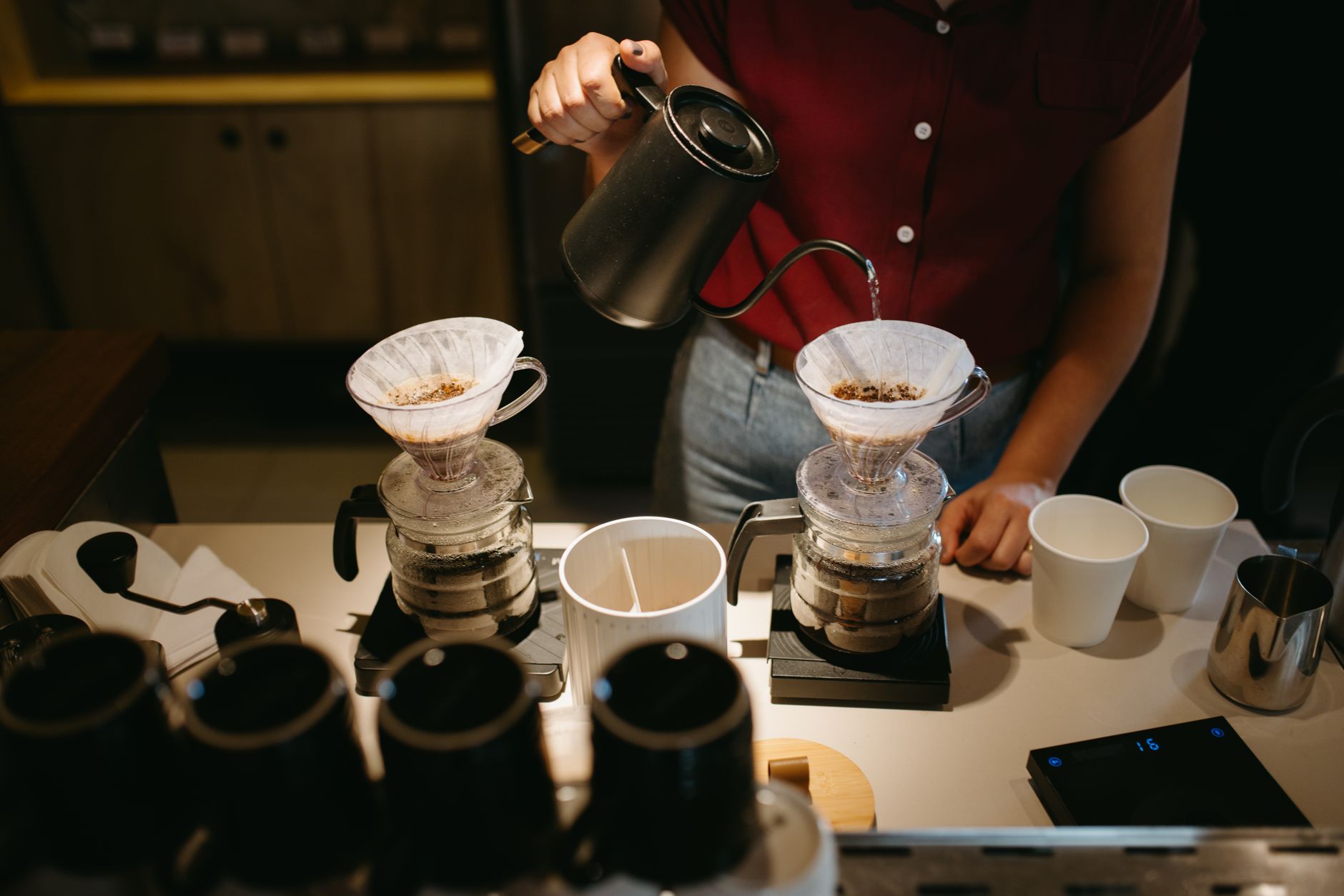
The Economics of Lingering
On paper, a customer who nurses one drink for three hours looks like a bad deal. In practice, the math is more forgiving than it seems. Coffee carries a healthy margin, and a regular who visits several times a week is worth far more over a year than a tourist who comes once. Add a pastry, a bag of beans for home, a second drink when a friend arrives, and the slow-sitting customer starts paying for the lease in a quiet, steady way. A shop that feels like a living room also earns something money cannot easily buy: people who defend it, recommend it, and keep showing up when a new competitor opens down the block.
The tension comes from seating. Every table occupied by a long-term laptop worker is a table unavailable to a rush of morning commuters, and owners have tried various fixes: time limits on Wi-Fi, outlets removed from peak-hour zones, laptop-free weekend hours. Some of these work, and some drive away the very regulars who make the place feel alive. The shops that handle it best tend to be explicit about their rules and consistent in enforcing them, because ambiguity breeds resentment on both sides of the counter.
What Gets Lost When Everyone Stays
A living room has a downside: it can become exclusive without meaning to. When a shop is full of people who all know each other, a newcomer walking in can feel like they have interrupted a private party. The same warmth that makes regulars feel at home can read as a closed circle to anyone outside it. Owners who care about this pay attention to small gestures, such as greeting every person who enters and keeping a few seats open near the door.
There is also the question of what these shops replace. Many neighborhoods have lost the barbershops, diners, and community halls that once served as informal gathering spots, and coffee shops have absorbed the load. That is a lot of social weight for a business whose primary product is a drink priced at a few dollars. A café can host a community, but it cannot guarantee one, and it can close the moment a rent increase arrives.
Which raises the uncomfortable question underneath all of this: if a neighborhood’s living room is a private business with a lease, who decides how long it gets to stay?