

Hollywood has spent two decades treating the sequel as the safest bet in the building, and for a long stretch the logic held. A familiar title cut through the noise, a built-in fan base covered the opening weekend, and a giant budget could be approved in a single meeting. That logic is wobbling. Recent seasons have produced a run of follow-ups that arrived with enormous promotion and left with a shrug, from a Flash movie that couldn’t carry its own hype to a Joker sequel that split the very audience that made the original a phenomenon.
The safe bet has started to look like a gamble.
“Fatigue” is a slippery word here, because audiences have not stopped buying tickets to sequels. Some of the biggest hits of the last few years were follow-ups, and a few of them were enormous. The problem is narrower. Viewers have become far more selective about which returns deserve a Friday night and which can wait for the couch. Box office is a vote cast with real money, and the ballots are now splitting in ways that franchise-loyalty spreadsheets didn’t predict.
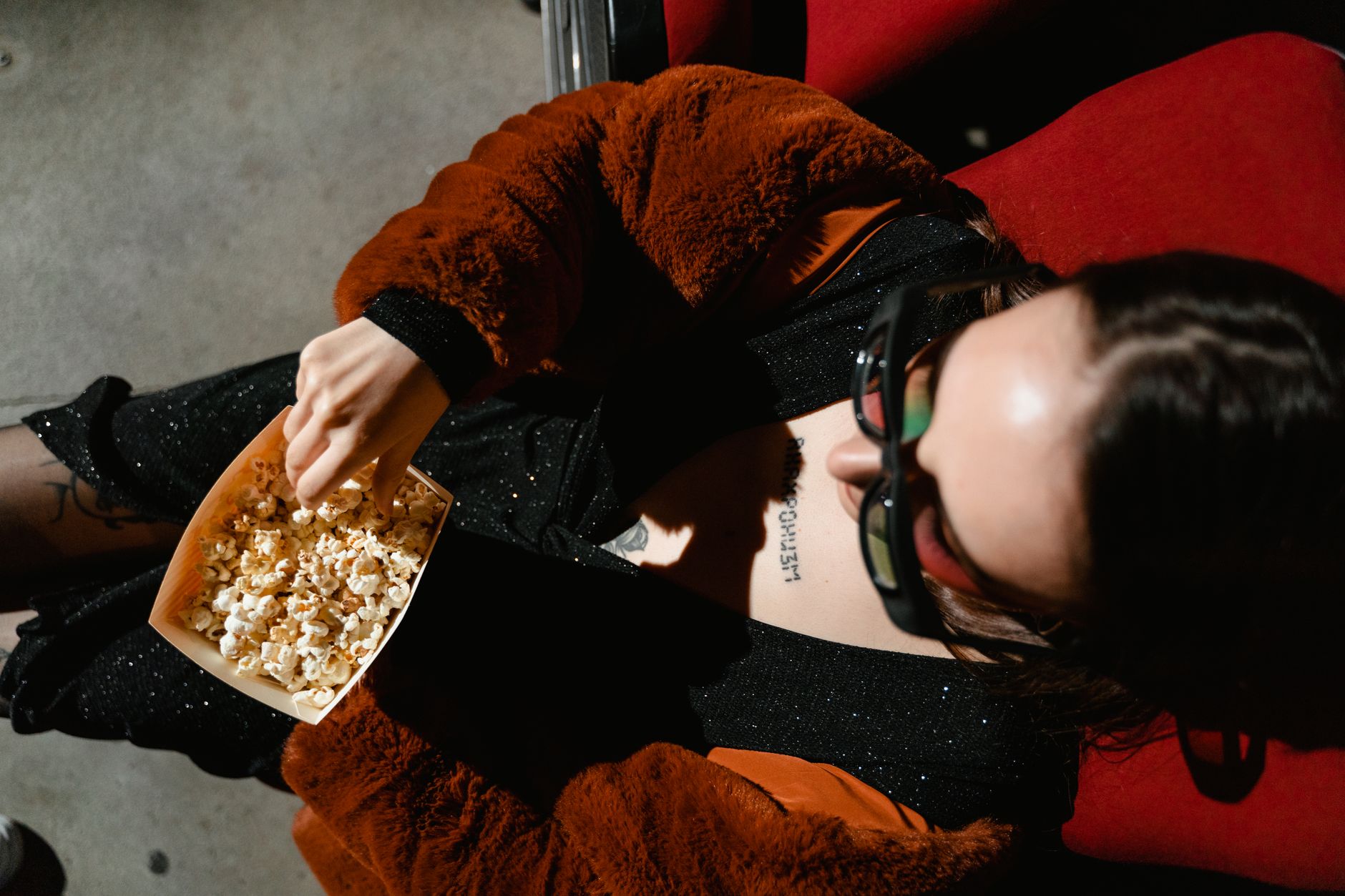
When the Franchise Becomes Homework
The clearest source of resistance is the sense of obligation baked into modern franchise filmmaking. When a studio builds a connected universe, each new release quietly asks the viewer to have watched several other things first, including TV series on a streaming service they may not even subscribe to. A ticket stops being a ticket to one movie and becomes a commitment to a project. Casual moviegoers, the ones who fill seats beyond opening weekend, tend to opt out of commitments. The Marvels is the obvious example of a film that seemed to need a syllabus, and it landed among the weakest performers in its own franchise’s history.
The second problem is creative. A sequel that exists because a release date needs filling feels different from one that exists because a story demands it, and audiences can usually tell the difference from the trailer alone. Indiana Jones and the Dial of Destiny arrived with deep goodwill toward its hero and still fell well short of what it cost. The film wasn’t a disaster so much as a victory lap nobody had asked for, a farewell wrapped in a franchise machine. When the pitch is “you loved this once, so come back,” the audience is entitled to ask what’s new.
Then there is the streaming calendar, which has trained viewers to wait. Anyone who has watched big releases land on home platforms within weeks knows the cost of patience is close to zero. Add the price of tickets, parking, a babysitter or a round of concessions, and a theater visit has to promise something a living room can’t. Sequels that offer more of the same, only slightly louder, are the easiest films in the world to postpone. Postponed, in practice, often means skipped.
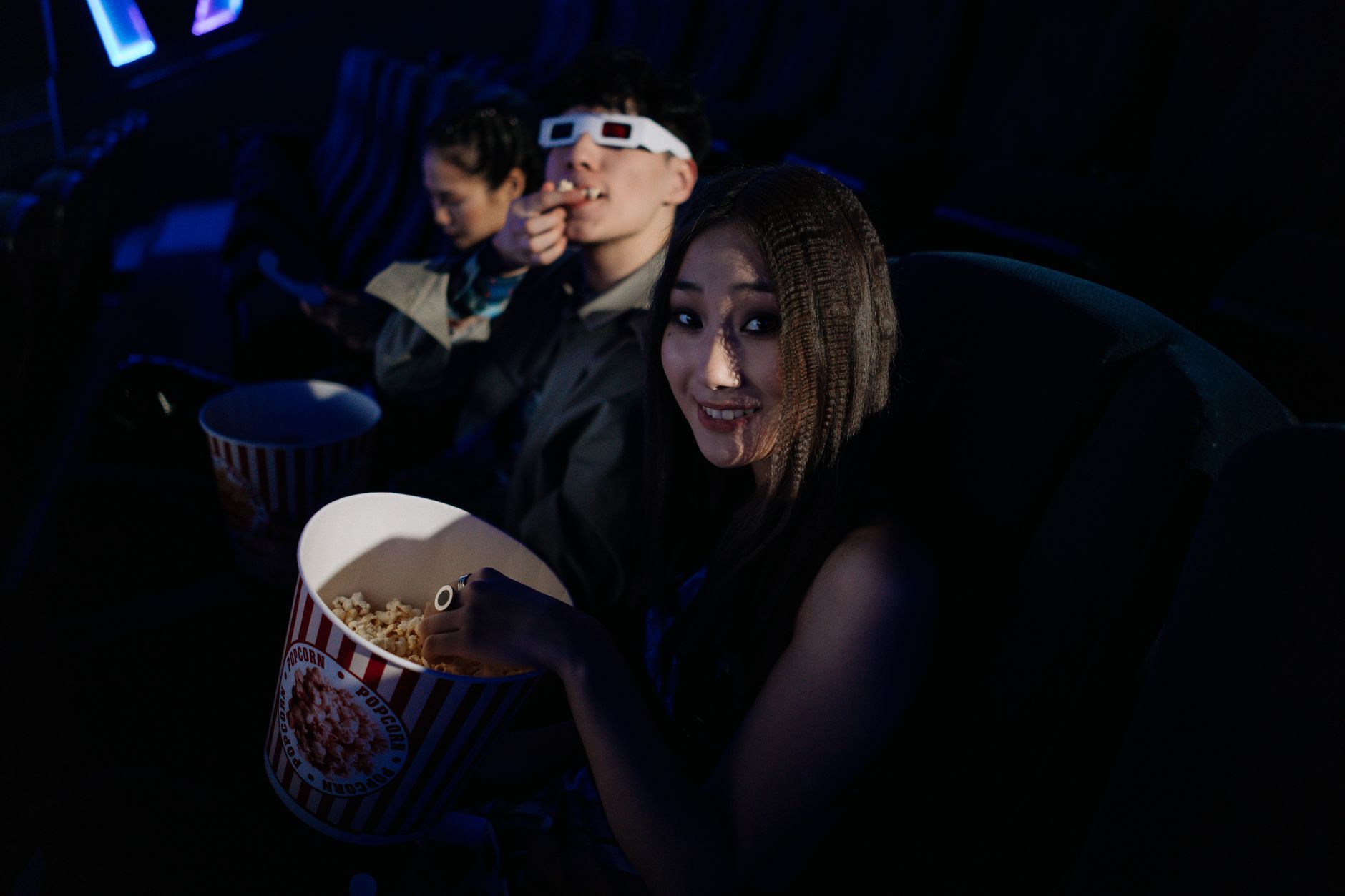
What the Survivors Have in Common
The sequels that still thrive make the argument by contrast. Top Gun: Maverick returned after decades and asked nothing of the viewer beyond a vague memory of the original, then delivered aerial spectacle that looked wasted on a small screen. Avatar: The Way of Water sold immersion, pure and simple. Inside Out 2 was emotionally clear to anyone who walked in, kids included. Deadpool & Wolverine turned two stars sharing a screen into an event in itself. Each gave audiences a reason to be in a theater and a story they could follow without prep work.
Original and semi-original films have also reminded the industry that curiosity is not dead. Barbie and Oppenheimer were neither sequels, and both became cultural moments large enough to anchor a summer. Their success matters less as a rebuke of franchises than as proof that the audience’s appetite for the new is intact. What it rewards is a sense of occasion. A film that feels like something people will be talking about on Monday gets a ticket, and a film that feels like an item on a corporate roadmap does not.
For studios, the practical lesson is uncomfortable because it complicates the math. A sequel greenlit because the first one made money is a different animal from a sequel greenlit because a filmmaker has somewhere left to go. The first is an accounting decision, and the second is a creative one that happens to come with built-in awareness. Expect more careful gaps between installments, more standalone entry points, and more pressure to answer the question “why now?” before the cameras roll. Franchises with a clear answer will keep winning, and the ones relying on a numeral in the title will keep discovering how little a numeral buys.
Nobody ever bought a ticket because a film was Part Four; they bought it because someone convinced them Part Four was worth the night out.
Frequently Asked Questions
Is sequel fatigue real at the box office?
In part. Audiences still turn out for sequels that feel like events, but they are skipping follow-ups that seem obligatory, homework-heavy or creatively unnecessary.